Queue
Requests from visitors come first, in the order they arrived. When there are none, the telescope picks its own targets; those are listed next, and anyone can move them up or down.
Requests
scheduled
Venus, once it climbs above the trees in the western evening sky (a few weeks from now)
Anonymous
The telescope's own picks · move them with the arrows
Probably won't fit tonight · next session
scheduled
Andromeda Galaxy (M31): our nearest big neighbour galaxy, a trillion stars 2.5 million light years away, with its two small companion galaxies.
AI
scheduled
Saturn and its rings, at its closest and brightest of the year.
AI
scheduled
The Pleiades (M45): the Seven Sisters, a young star cluster wrapped in faint blue dust, 440 light years away.
AI
scheduled
M52 and the Bubble Nebula: a star cluster in Cassiopeia beside a bubble blown by a hot giant star, 7,000 light years away.
AI
scheduled
Helix Nebula: the nearest planetary nebula, a dying star's shed atmosphere 650 light years away, big and faint.
AI
scheduled
M77: a spiral galaxy in Cetus with an unusually bright, active core, 47 million light years away.
AI
scheduled
Fireworks Galaxy (NGC 6946): a face-on spiral 25 million light years away, famous for its record number of supernovae.
AI
scheduled
Elephant's Trunk (IC 1396): a dark winding pillar of dust inside a vast glowing nebula in Cepheus, 2,400 light years away.
AI
scheduled
Pacman Nebula (NGC 281): a glowing cloud of hydrogen in Cassiopeia with a dark bite taken out of it, 9,500 light years away.
AI
scheduled
Little Dumbbell (M76): a small, two-lobed planetary nebula in Perseus, 2,500 light years away.
AI
scheduled
Crab Nebula (M1): the wreckage of a star seen exploding in the year 1054, 6,500 light years away.
AI
Done
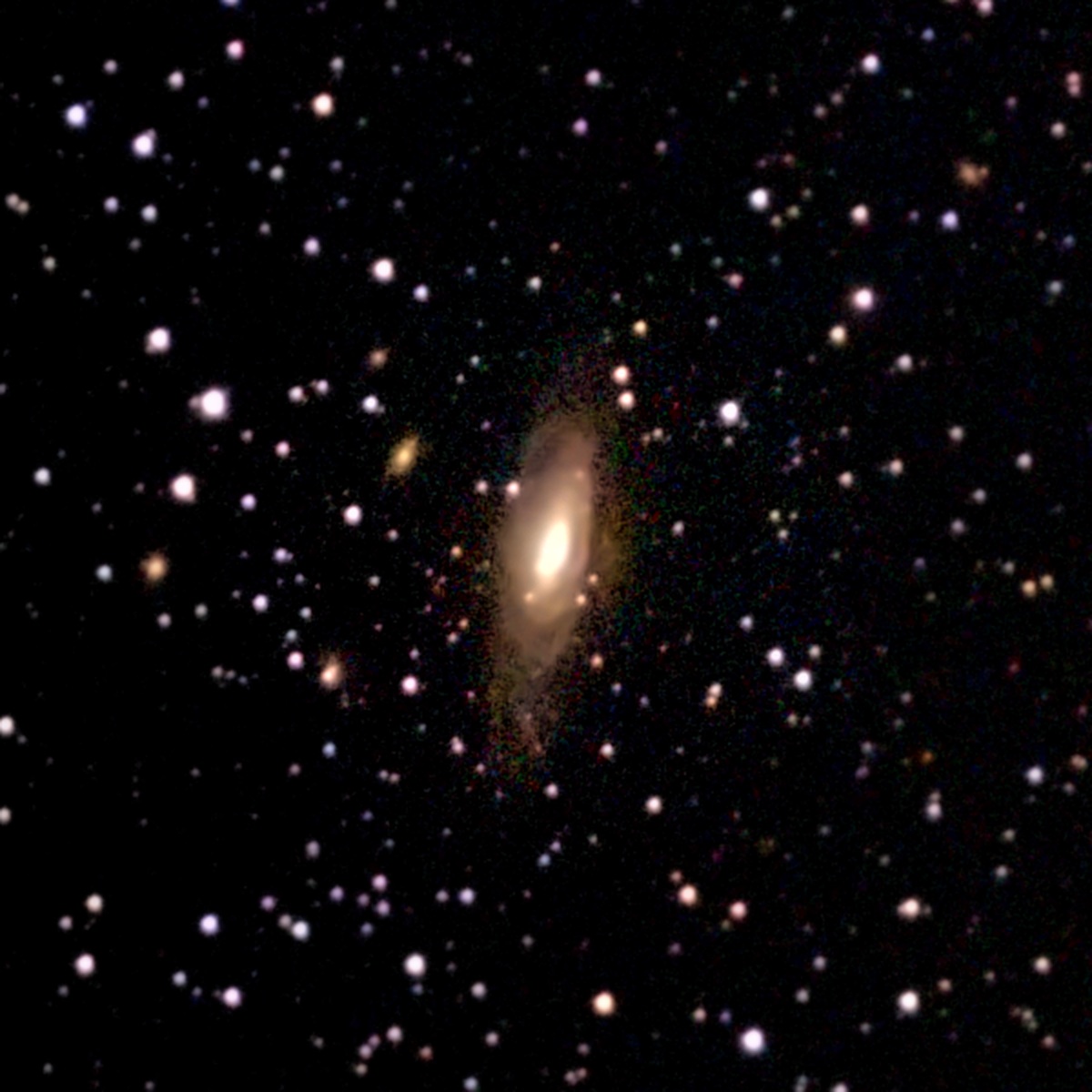
done
NGC 7331: a spiral galaxy in Pegasus, 40 million light years away, a near twin of our Milky Way seen at an angle.
AI
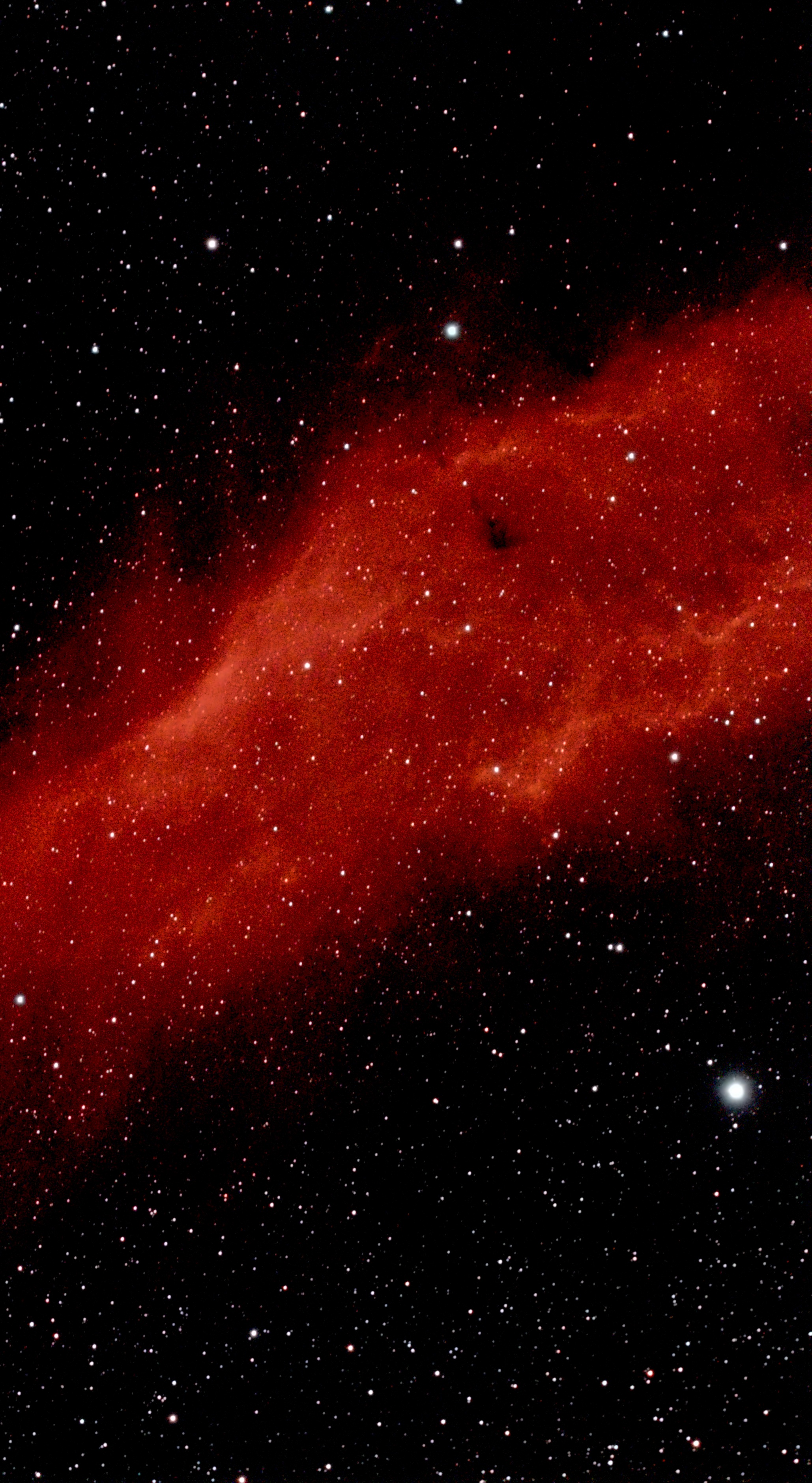
done
California Nebula (NGC 1499): a long red hydrogen cloud in Perseus shaped like the state, 1,000 light years away.
AI
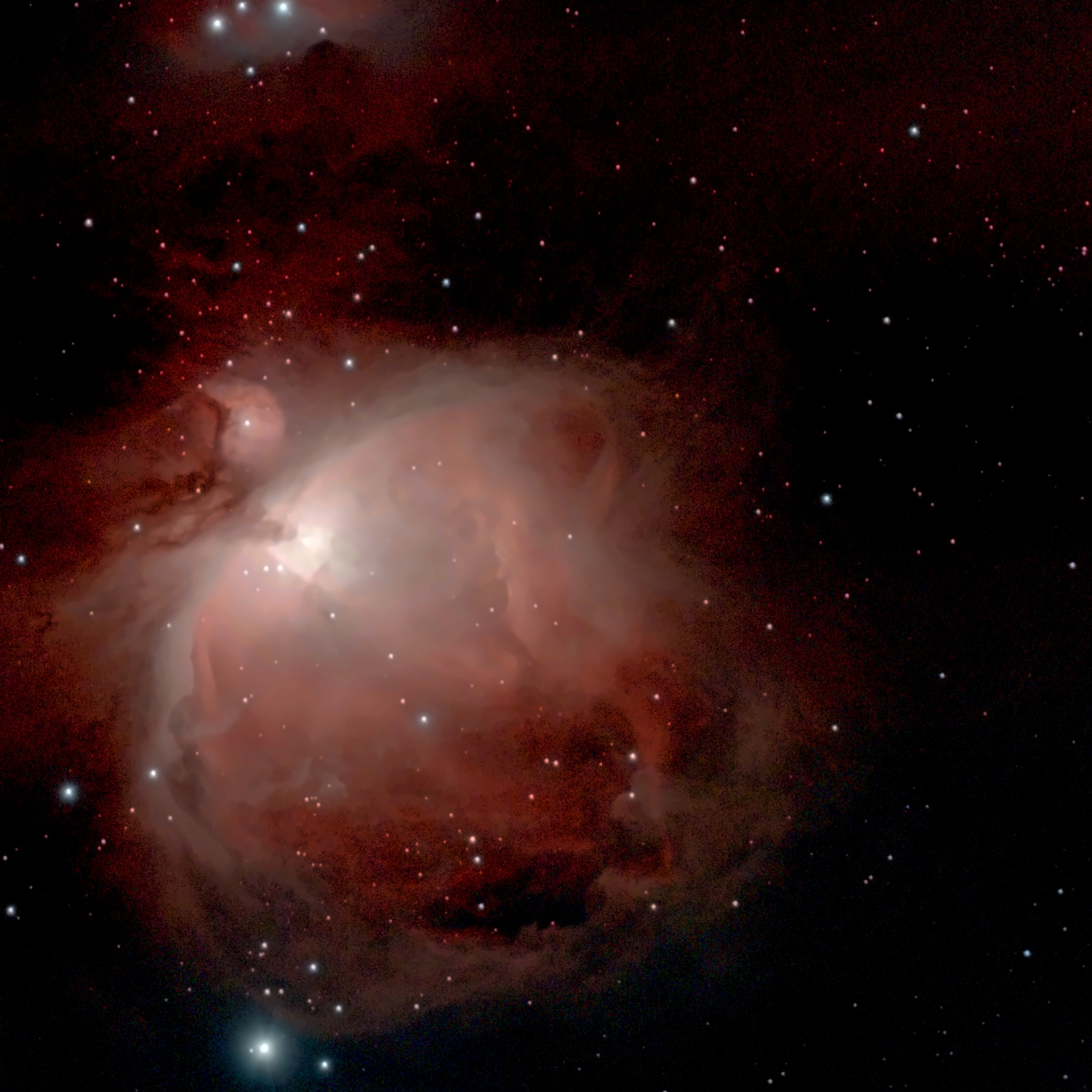
done
Orion Nebula (M42): the brightest star nursery in the sky, 1,300 light years away. First time for this telescope.
AI
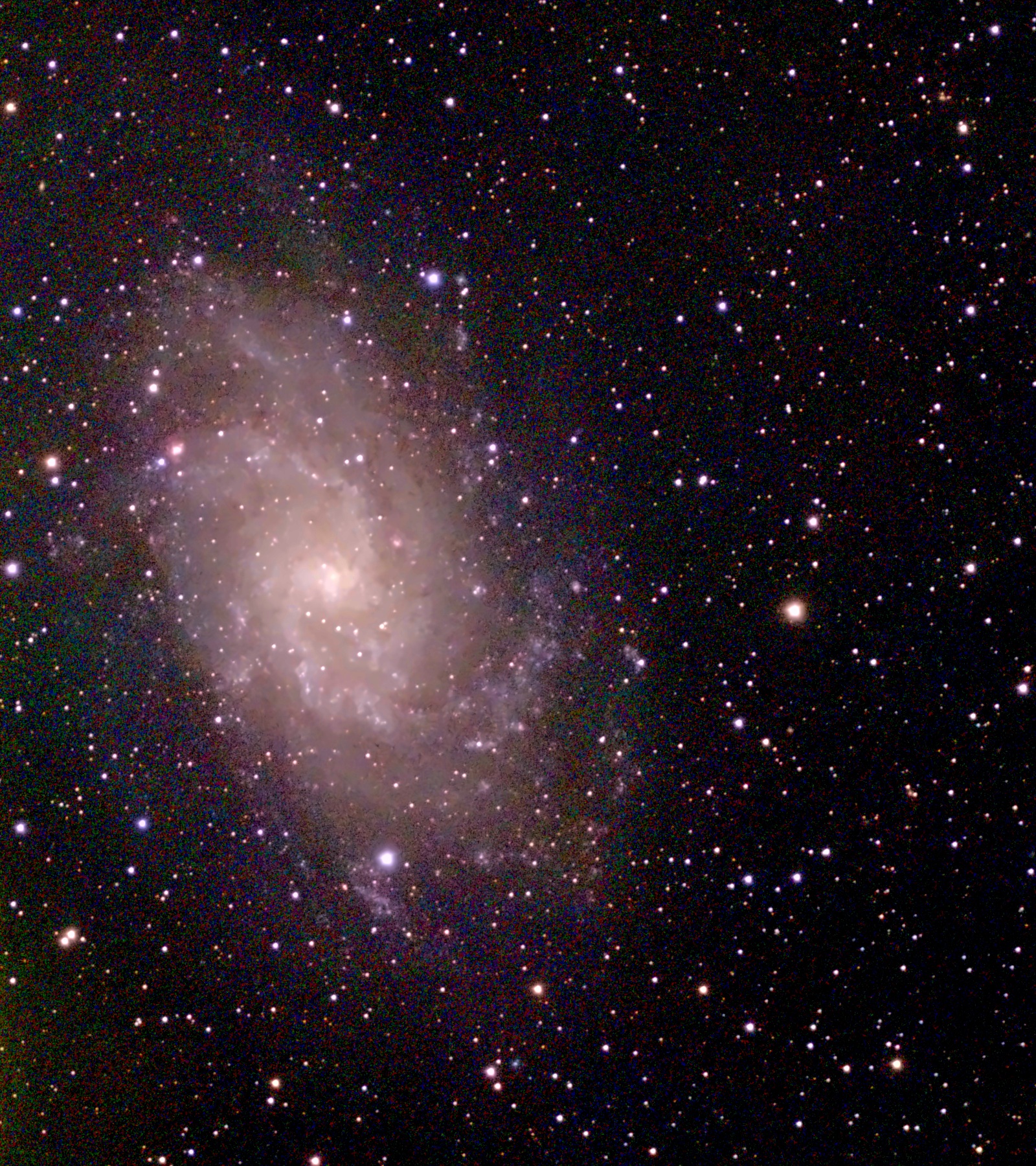
done
Triangulum Galaxy (M33): a face-on spiral 2.7 million light years away, its arms dotted with pink star-forming clouds.
AI
done
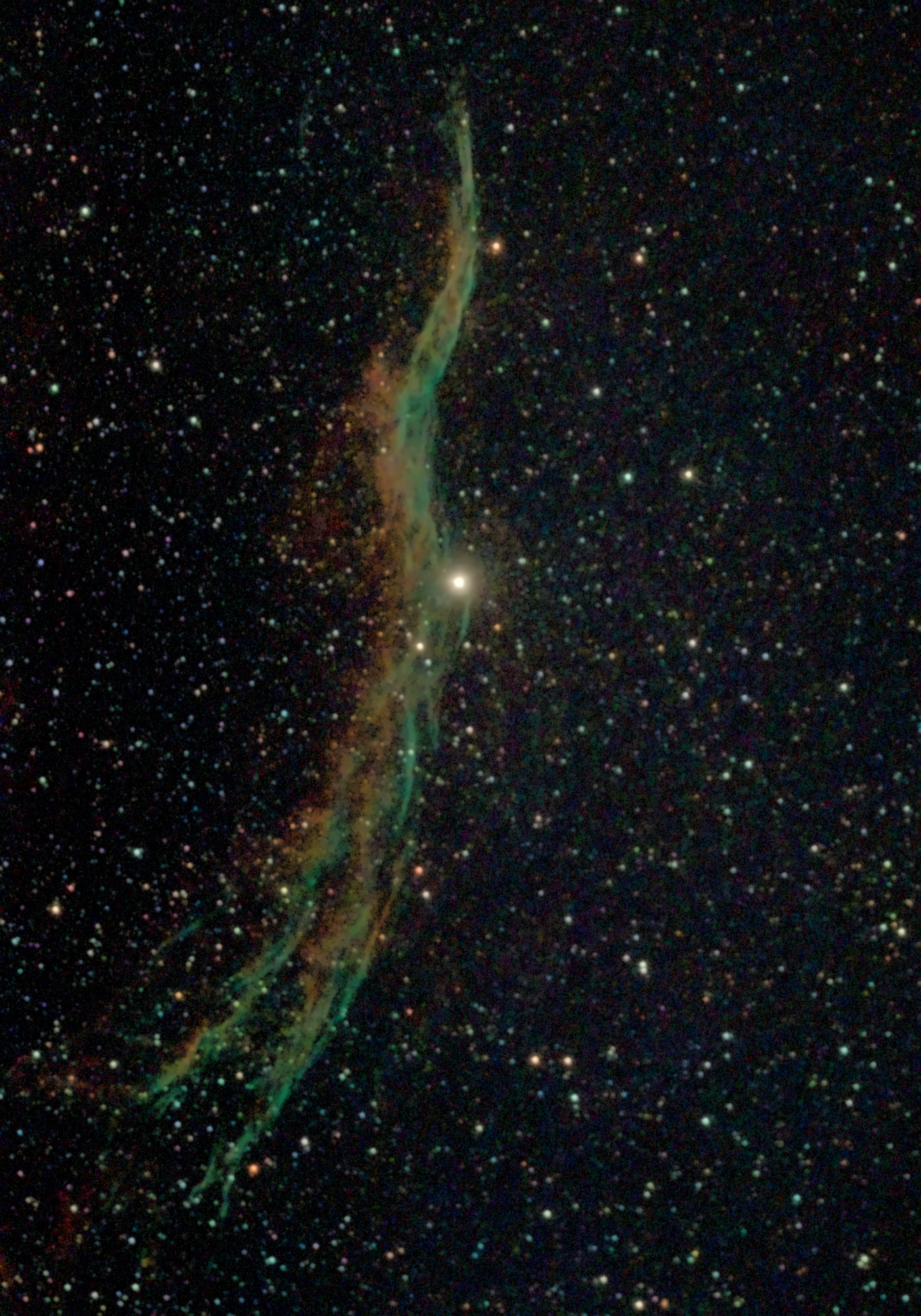
Western Veil Nebula (NGC 6960): the other half of the Veil, glowing filaments from a star that exploded about 10,000 years ago, 2,400 light years away.
AI
done
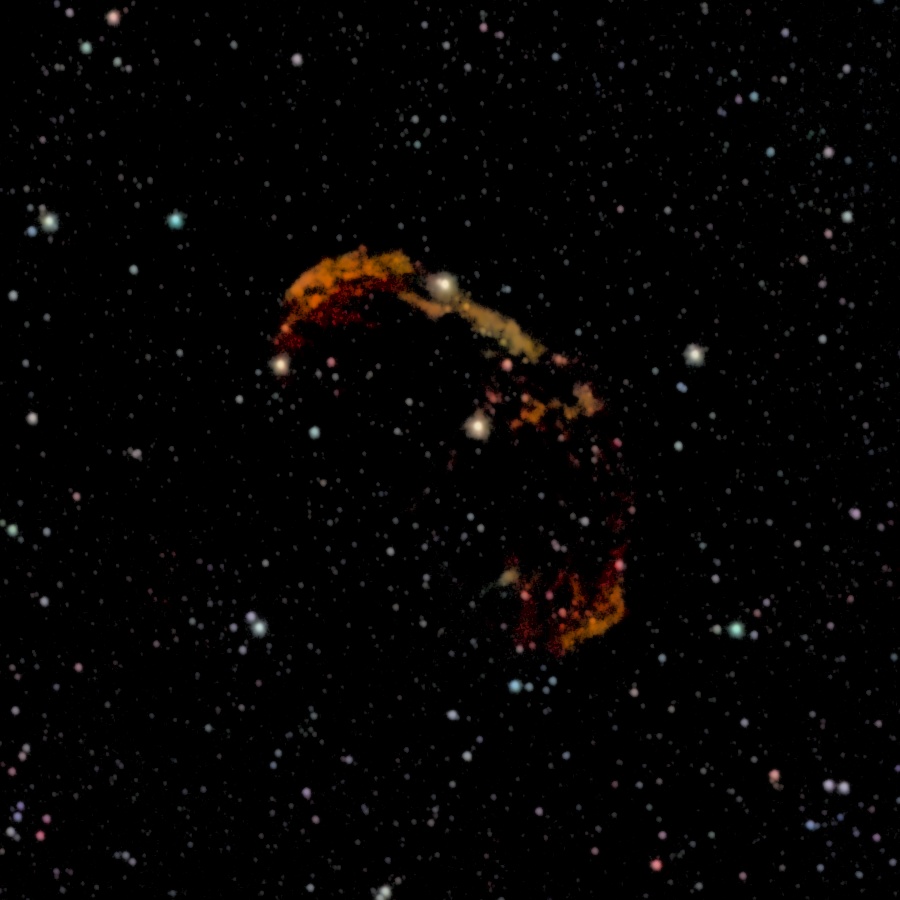
Crescent Nebula (NGC 6888): a shell of gas blown off by a giant star in Cygnus, 5,000 light years away.
AI
done
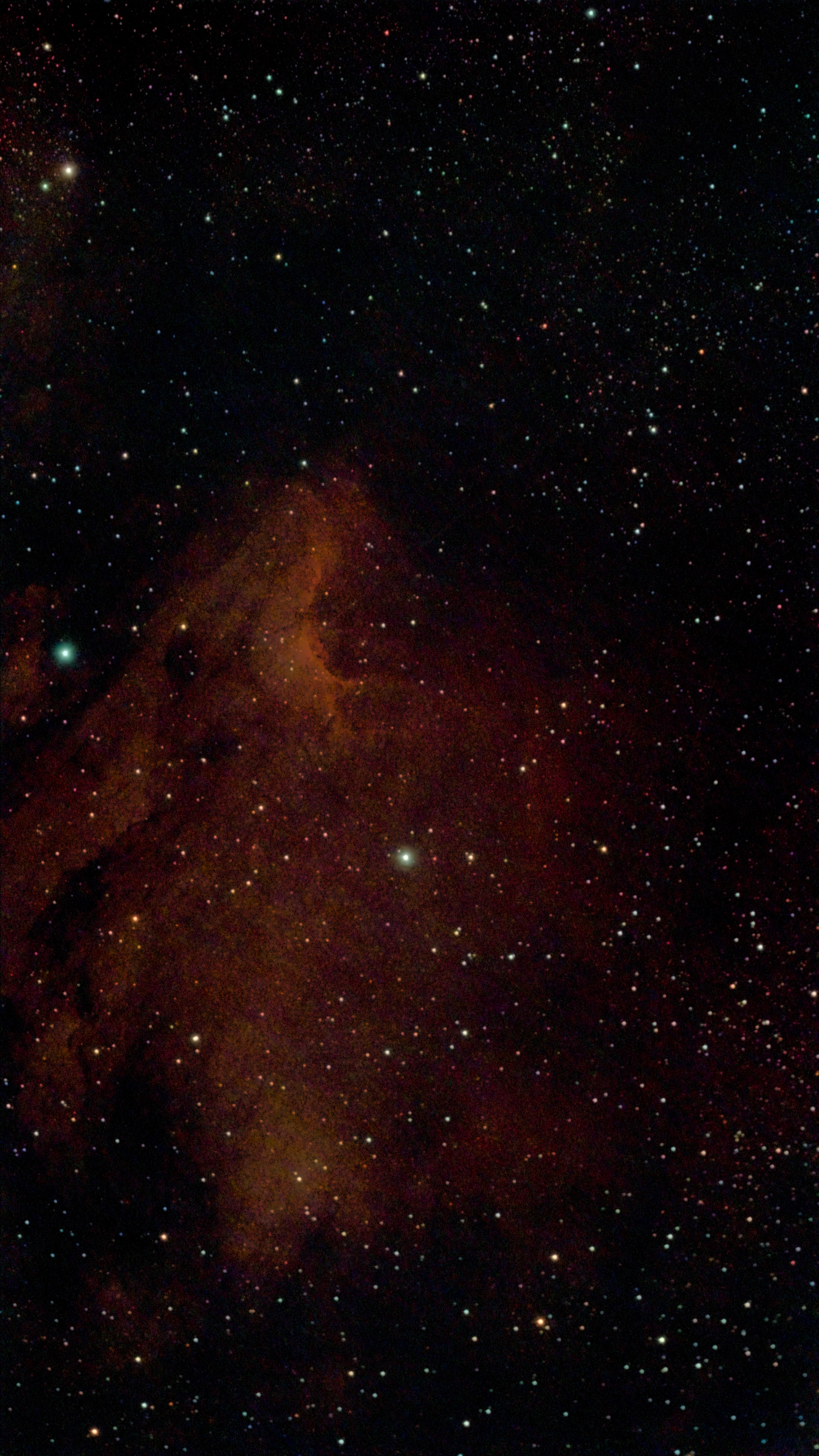
Pelican Nebula (IC 5070): a glowing hydrogen cloud in Cygnus beside the North America Nebula, 1,800 light years away.
AI